1
Where the Crowds Aren’t
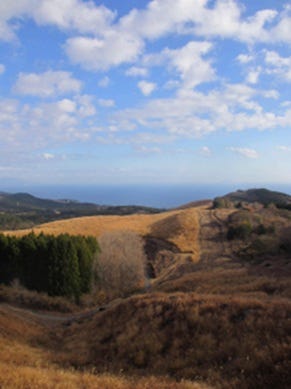
Four months in Japan and I’ve traveled to many tourist locations. They are beautiful and scenic, and they completely justify why so many people visit them every year. But at the same time, there are often too many people. Standing in packed streets or waiting in lines just to take a photo made me start wondering why certain places become so popular, while others are almost ignored. It made me think about all the places in Japan that don’t show up on social media or travel guides. Places where the views stretch far beyond what your eyes can see. Places that aren’t the easiest to get to, but feel worth it once you arrive. Places that make you stop and question if you’re really still on Earth. One of those places is Hosono Plateau in Shizuoka.
I visited Hosono almost by accident. From the train station, it was only about a ten-minute ride, yet it felt like stepping into a completely different world. As soon as I arrived, I was surrounded by wide open hills and endless sky. There were no crowds, no noise, and no sense of urgency. Just space. Standing at the top of the plateau, the silence was what stood out the most. No tour groups, no speakers, no constant movement. The wind moved through the tall grass, and the hills rolled endlessly in front of me. The landscape felt unreal in the best way. It was hard to believe that a place like this existed so close to everyday life, yet remained so unnoticed.
2
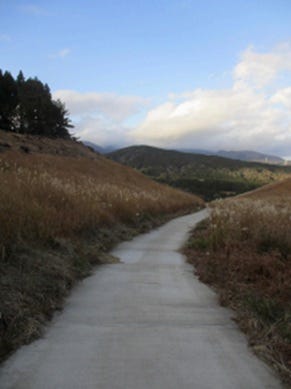
Japan is currently dealing with over-tourism, especially in major cities like Tokyo and Kyoto. Popular areas are packed, locals are affected, and the experience can feel rushed and overwhelming. Meanwhile, places like Hosono Plateau remain under-visited, even though they offer something many travelers are looking for but rarely find: quiet. What makes Hosono special isn’t just the view. It’s the feeling of being left alone with it. There were only a few people scattered across the hills, most of them locals. Some sat quietly, watching the sky. Others walked without taking photos at all. No one seemed in a hurry to leave. In the distance, wind turbines lined the ridges, blending naturally into the landscape. Instead of taking away from the scenery, they reminded me that this place is still lived in and used, not just preserved for visitors. It felt real and untouched at the same time.
As the sun started to set and the hills turned darker shades of gold and brown, I realized how rare moments like this have become while traveling. Hosono didn’t feel like a destination meant to be consumed or documented. It felt like a place meant to be experienced quietly. Hosono Plateau doesn’t need more attention or popularity. Its beauty comes from the fact that it’s still overlooked. In a country known for its crowded attractions, finding a place like this reminded me that some of the most meaningful experiences happen far away from where everyone else is looking.
3


Caption:
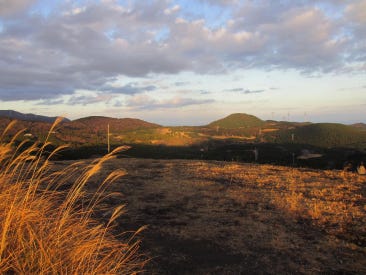
Hosono Plateau, located in Shizuoka Prefecture, is a place that feels almost disconnected from the version of Japan most tourists experience. Surrounded by rolling hills, open grasslands, and wide skies, the landscape stretches far beyond what the eye can immediately take in. Unlike many popular destinations across the country, Hosono is quiet. There are no crowds, no lines, and no pressure to move quickly or capture the “perfect” photo.
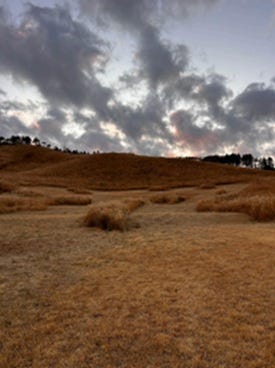
Walking through the plateau, the silence becomes part of the experience. The wind moves through the tall grass, and the land rises and falls naturally, creating a sense of openness that is rare in a country known for its dense cities and busy tourist hubs. Wind turbines line the distant ridges, blending into the scenery and reminding visitors that this land is still lived in and used, not just admired from afar.
What makes Hosono Plateau stand out is not just its beauty, but its contrast. While places like Tokyo and Kyoto struggle with over-tourism, Hosono remains largely overlooked, offering a different way to experience Japan. It shows that meaningful travel does not always come from visiting the most famous places, but from finding the ones where space, quiet, and reflection are still possible.