Integration and Identity: A Case Study of Long-term Chinese Residents in Japan
Subject: A local Chinese restaurant owner and the “Oldcomer” generation by by WANG Yubo.
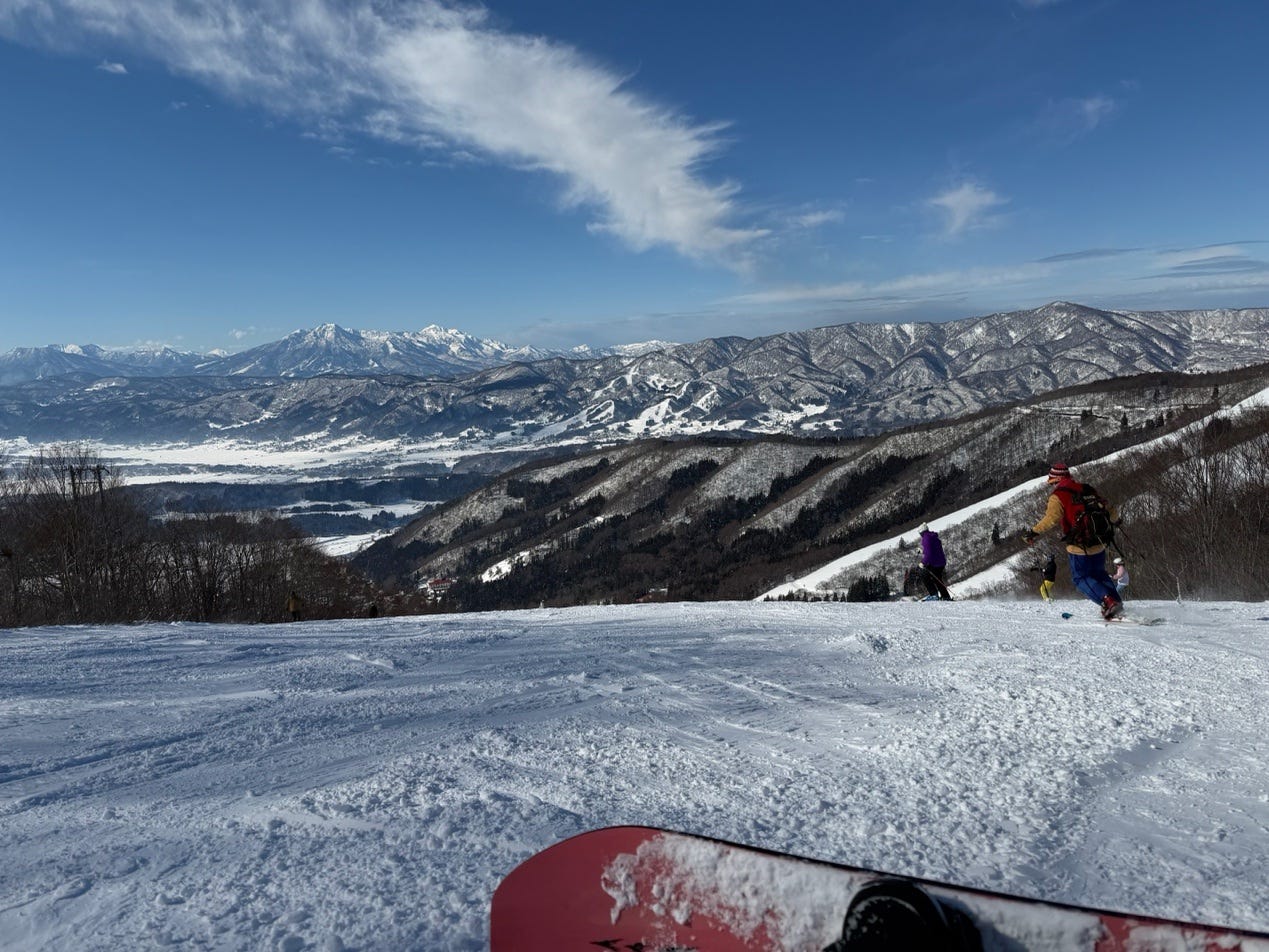
Photo Story: A High-Octane Day
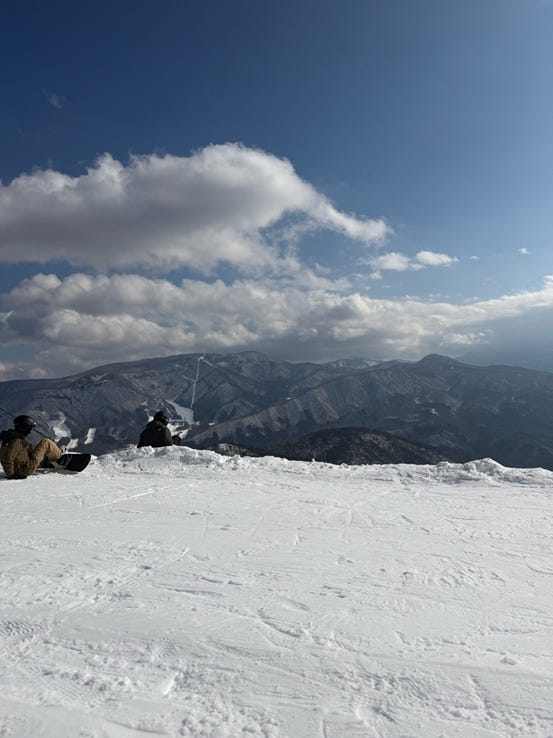
Today was one of those days where everything aligns—the weather, the snow, and the energy were absolutely perfect. The sky was a piercing blue without a single cloud in sight as we headed up to the peak of Nozawa Onsen.
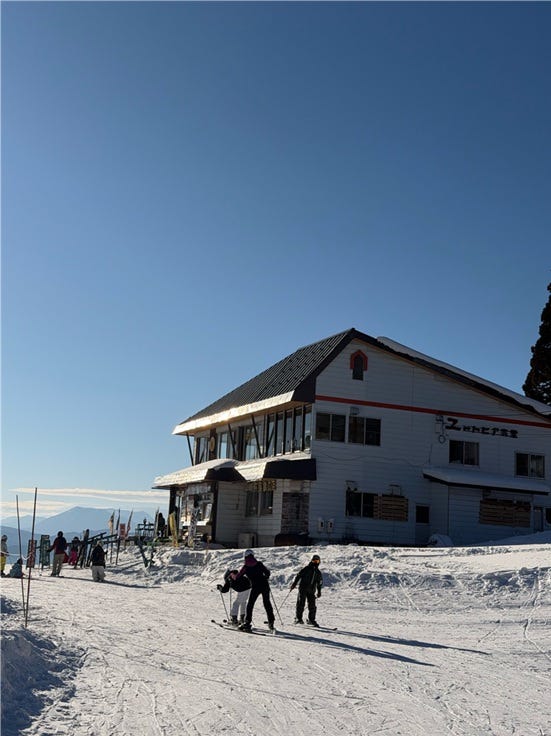
The highlight of the day was undoubtedly the run from the summit. Standing at the top of the advanced course, my heart was pounding. The slope was so aggressively steep that looking down gave me vertigo; I couldn’t even see the snow beneath my feet. It felt less like a ski run and more like standing on the edge of a sheer cliff, staring into a white abyss.
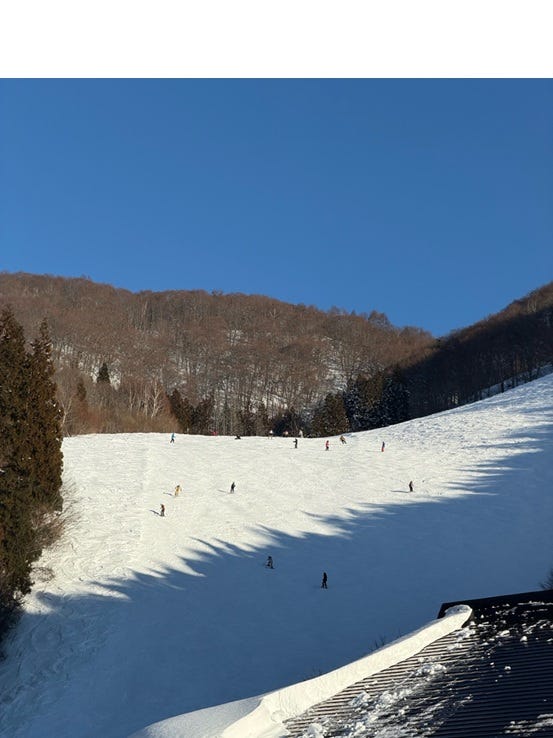
Taking a deep breath, I dropped in. The fear instantly transformed into pure exhilaration. Skiing from the very top all the way to the bottom of the mountain in one single, continuous run was a rush I won’t forget. The speed, the wind, and the burn in my legs made me feel completely alive.
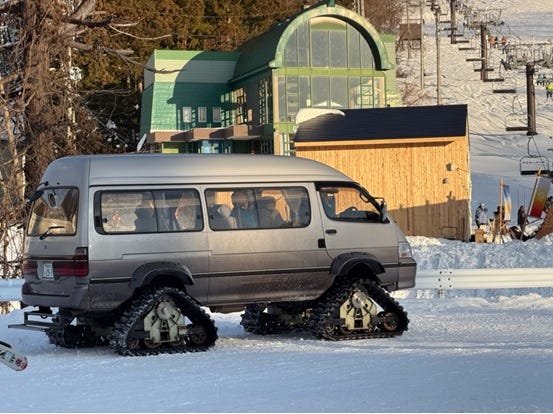
After reaching the base, I spotted something you don’t see every day: a silver Toyota HiAce van modified with heavy-duty tank tracks instead of wheels. It looked like a beast, perfectly engineered for this snowy terrain—super cool and rugged.
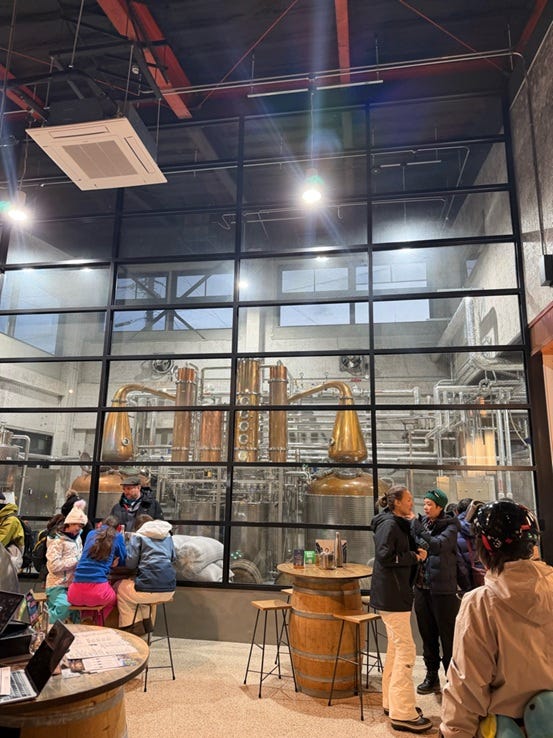
To wind down, we headed just outside the ski area to a local spot that was oozing with atmosphere. It was a combination of a bar and a distillery, featuring massive, gleaming copper stills behind a tall glass wall. The industrial-chic vibe, combined with the warmth of the room and the buzz of happy skiers, was the perfect way to end a high-octane day.
Integration and Identity: A Case Study of Long-term Chinese Residents in Japan
Subject: A local Chinese restaurant owner and the “Oldcomer” generation.
Based on recent observations and photos taken at a neighborhood Chinese restaurant, this report focuses on the lives of long-term Chinese immigrants in Japan. The subjects are Mr. Zhang (pictured in the kitchen) and his business partner, Mr. Wang. Through their daily work and interactions, we can see a vivid example of cultural integration and the unique identity of the “Oldcomer” generation.
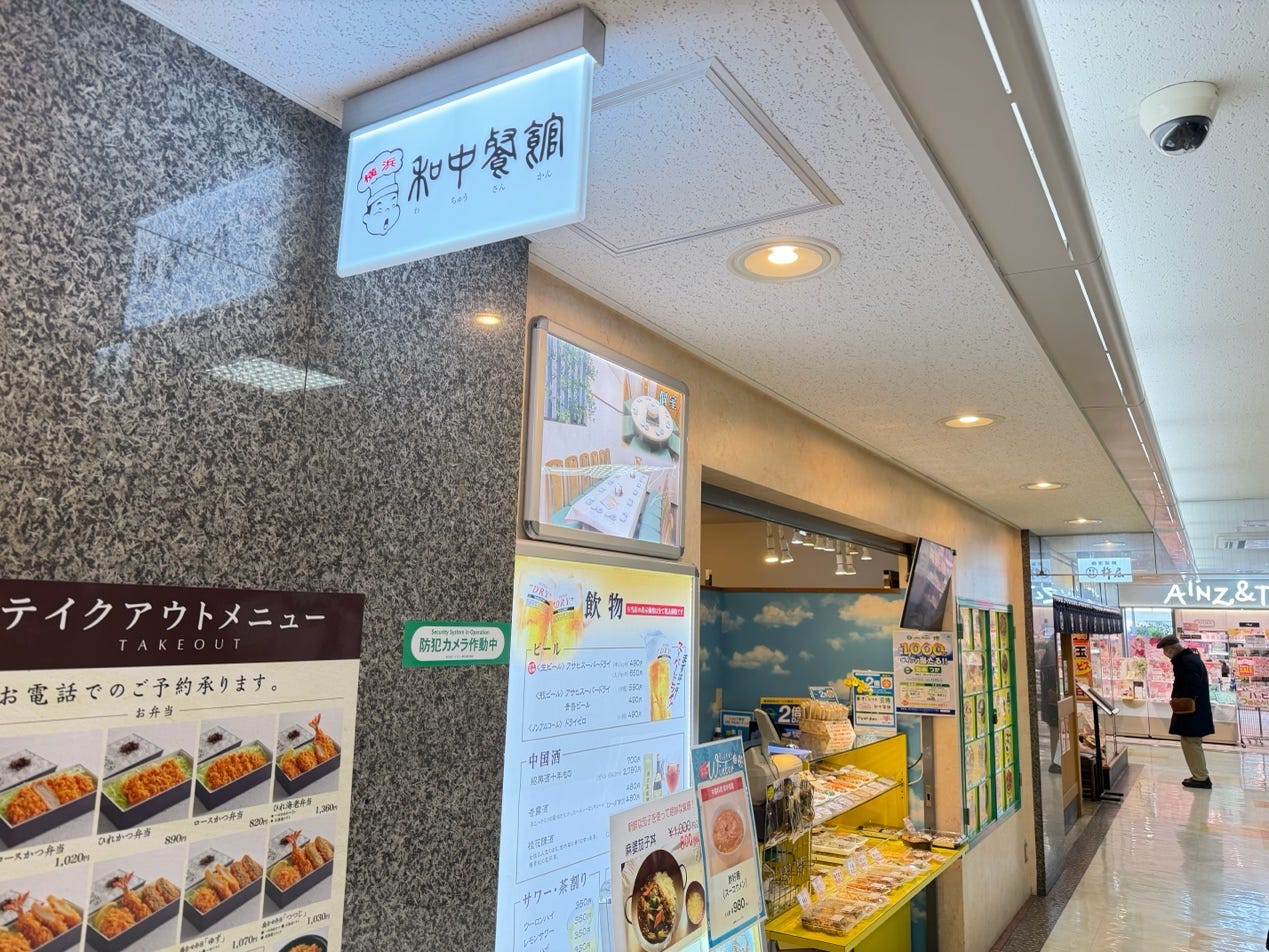
Background and History Mr. Zhang and Mr. Wang have lived in Japan for over 40 years. They arrived during a period when the economic disparity between China and Japan was significant. At that time, many Chinese nationals came to Japan with a specific goal: to work hard, save money, and eventually return to China to buy property and retire. However, Zhang and Wang chose a different path. Instead of returning, they decided to settle down and open a restaurant together. Today, Mr. Zhang manages the kitchen, while Mr. Wang manages the front of the house (though he was not present on the day of this observation).
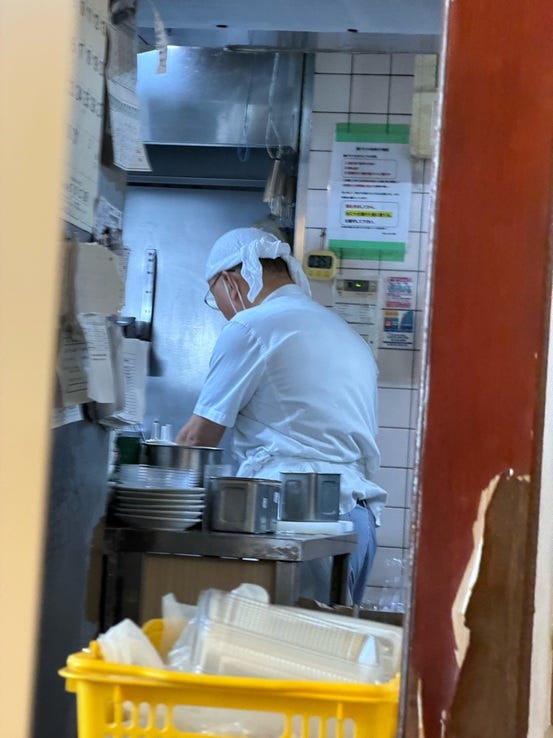
Family and Succession Their assimilation into Japanese society is evident in their family structures. Mr. Wang married a Japanese woman, who also works at the restaurant. Mr. Zhang’s wife is Chinese, but she resides in Japan with him. A crucial detail observed in the kitchen is the presence of Mr. Zhang’s son. He is currently working alongside his father, learning the trade. This indicates that the business is not just a temporary means of survival, but a legacy to be passed down. The son’s involvement signals that the family has fully rooted themselves in Japan for the next generation.
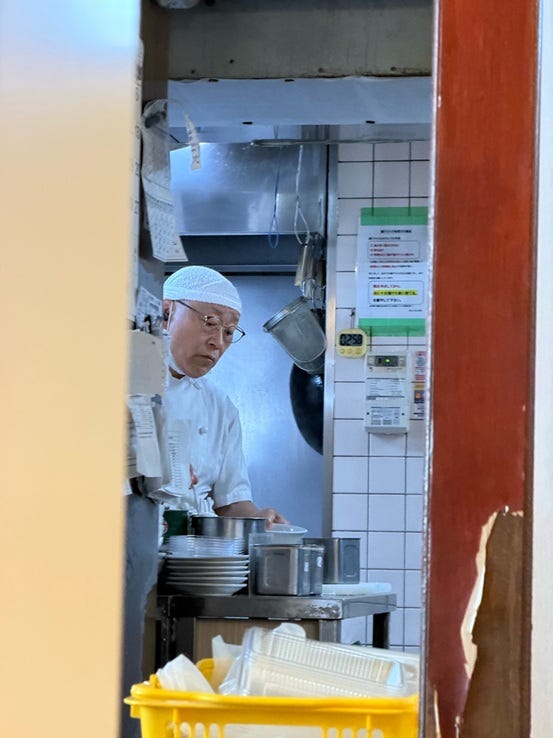
Observations on Behavior and Language To the casual observer, Mr. Zhang and Mr. Wang are indistinguishable from local Japanese people. Their clothing, grooming, and general demeanor have become thoroughly localized over four decades. However, as a frequent customer and a fellow Chinese national, I have noticed distinct behavioral nuances.
Mr. Wang, for instance, recognizes me as Chinese. Yet, during our conversations, he often subconsciously mixes languages. Even when I speak to him entirely in Chinese, he tends to reply with a mixture of Japanese and Chinese, or sometimes entirely in Japanese. This “code-switching” suggests that after forty years, the Japanese language has become his primary mode of thinking and operating, even if his ethnic identity remains Chinese.
The Ritual of “Double Etiquette” The most striking example of this dual identity occurs when paying the bill. Our interaction usually follows a specific pattern of “double etiquette.” First, we exchange a warm “Thank you” in Chinese, acknowledging our shared background. Immediately following this, we switch to the standard Japanese social protocol: a formal bow, the phrase “Gochisousama” (Thank you for the meal), and “Arigatou Gozaimashita” (Thank you very much). This seamless transition shows that they have not abandoned their Chinese roots but have successfully adopted Japanese social norms.
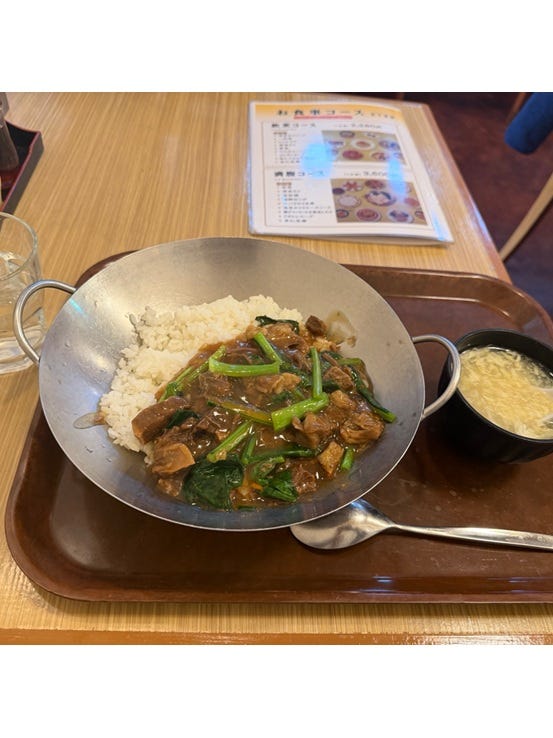
Conclusion and Reflection The lives of Mr. Zhang and Mr. Wang reflect the reality of successful immigration. They have moved beyond being “foreign workers” to becoming an integral part of the local community. Their signature dish, the braised beef rice, attracts locals and foreigners alike, much like their own identities. They prove that integration is not about erasing one’s past but about adapting to the present. By raising their children here and planning for the business to continue, they demonstrate that for this generation of Chinese immigrants, “home” is no longer the place they left, but the place they have built.